Nationwide coverage
Our cities
Vetted local photographers in twelve Portuguese cities and destinations. They know which hour a place is still empty and what the permits actually cost.
12 cities
Search a city
Lisboa
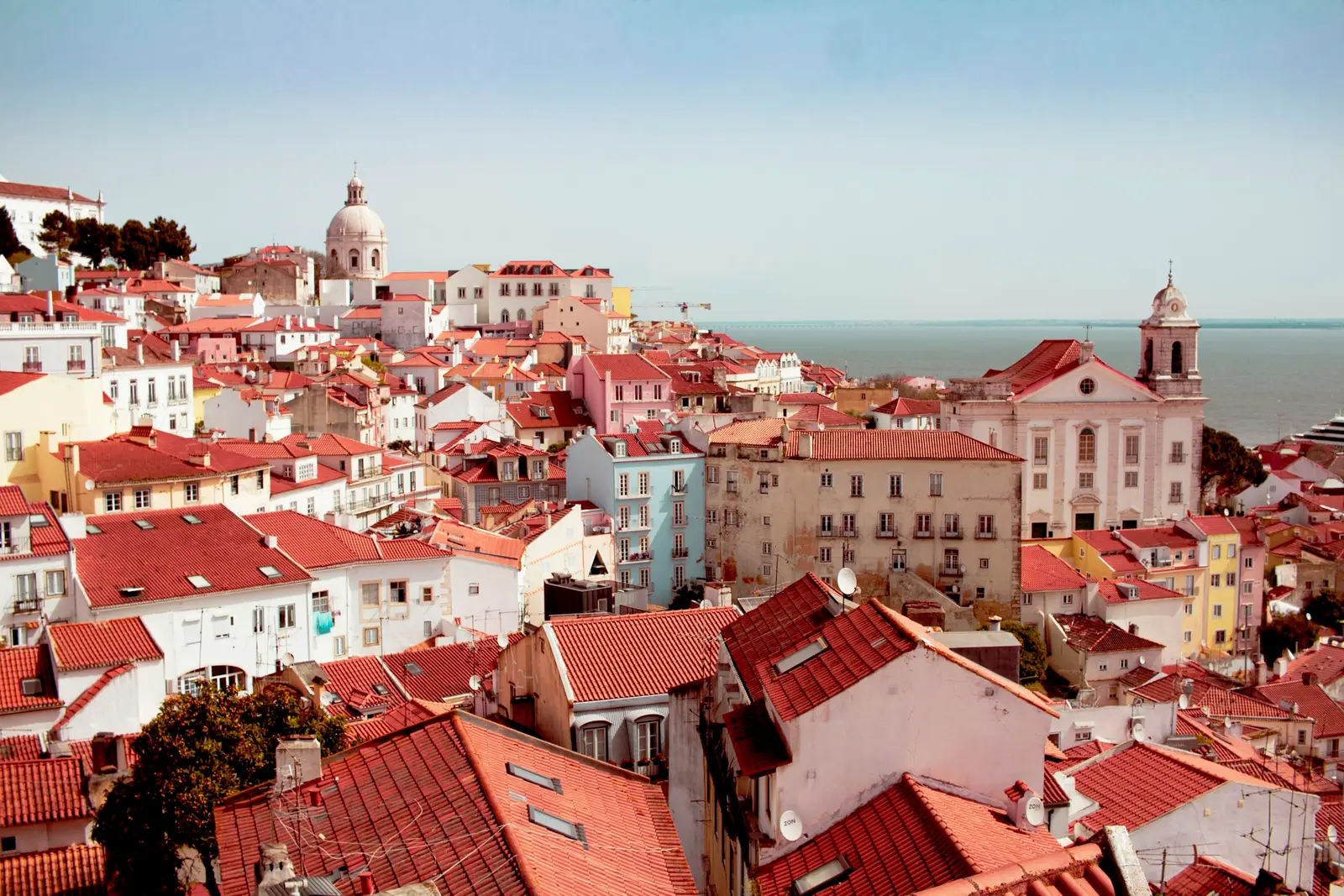
Everything about photographing here follows from the orientation. The hills of Alfama and Graça look north and east across the roofs, so they hold usable light from sunrise until about nine and then go flat; the riverfront from Cais do Sodré to Belém looks the other way and only becomes worth the walk after six. Getting that backwards is the single most common way a session here is wasted, and it costs nothing to get right. The second thing is the calçada. The pavement is polished limestone, it is genuinely slippery, and it is on a gradient almost everywhere worth standing — which is a wardrobe decision rather than a poetic detail. The third is that the city centre is small: Graça to Portas do Sol to Alfama is twenty minutes on foot, so a ninety-minute session takes in three distinct backdrops without anyone getting into a car.
Explore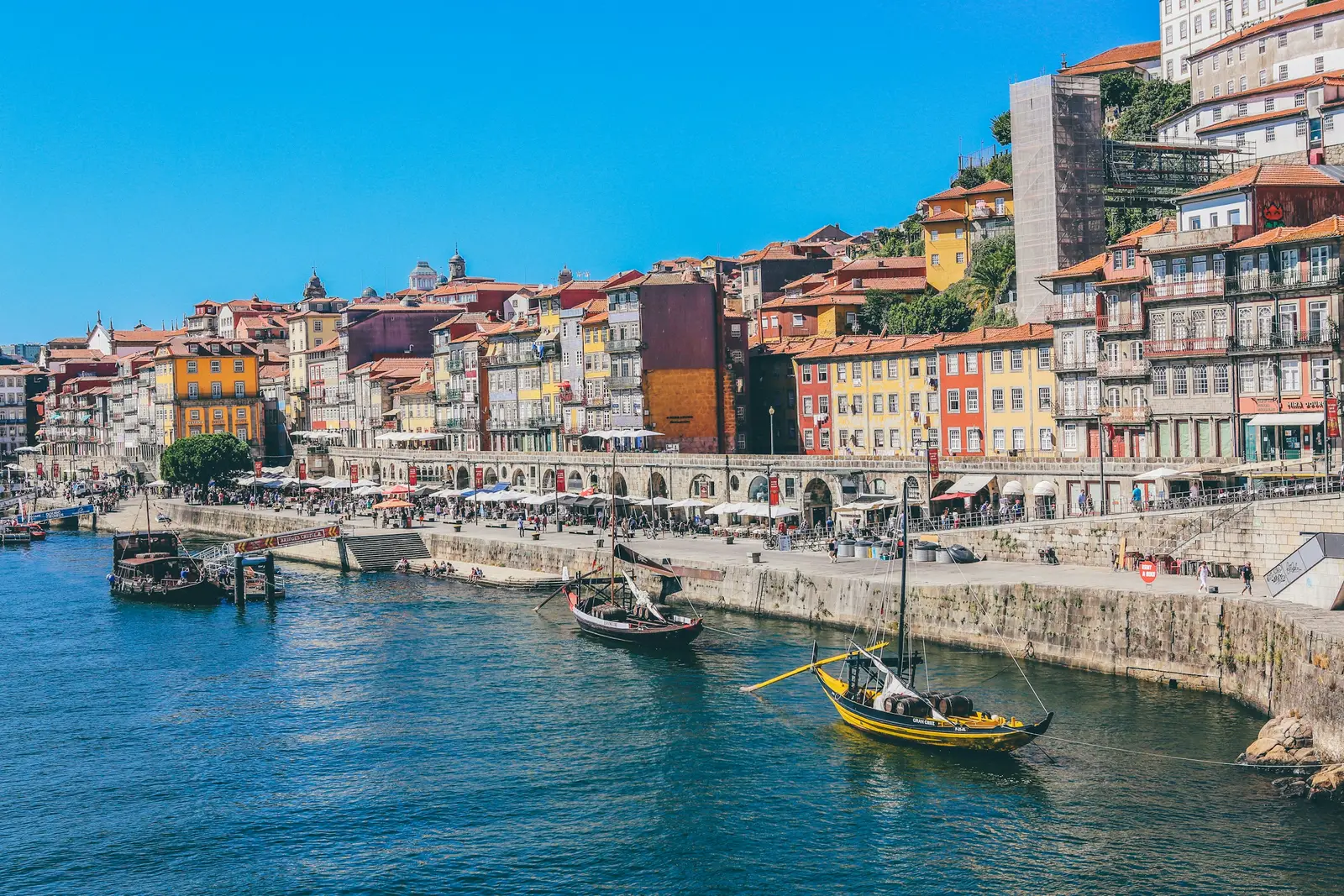
Porto
Porto is a two-bank city and the two banks are never good at the same time. From the Gaia quayside the whole Ribeira facade is lit from the front between about eight and eleven in the morning; from Ribeira itself, Gaia and the port lodges take the last two hours of sun. A session that wants both is a session that needs the upper deck of the Luís I and about ten minutes to walk across it — worth knowing that the upper deck carries the metro, so you are walking beside a live line, not on a footbridge. The rest is interiors, and interiors here are where the constraints live. São Bento is free and extraordinary and is also a working station busy from eight. Livraria Lello charges admission and restricts photography, and the policy has changed more than once — it is checked before it is promised, never after.
Explore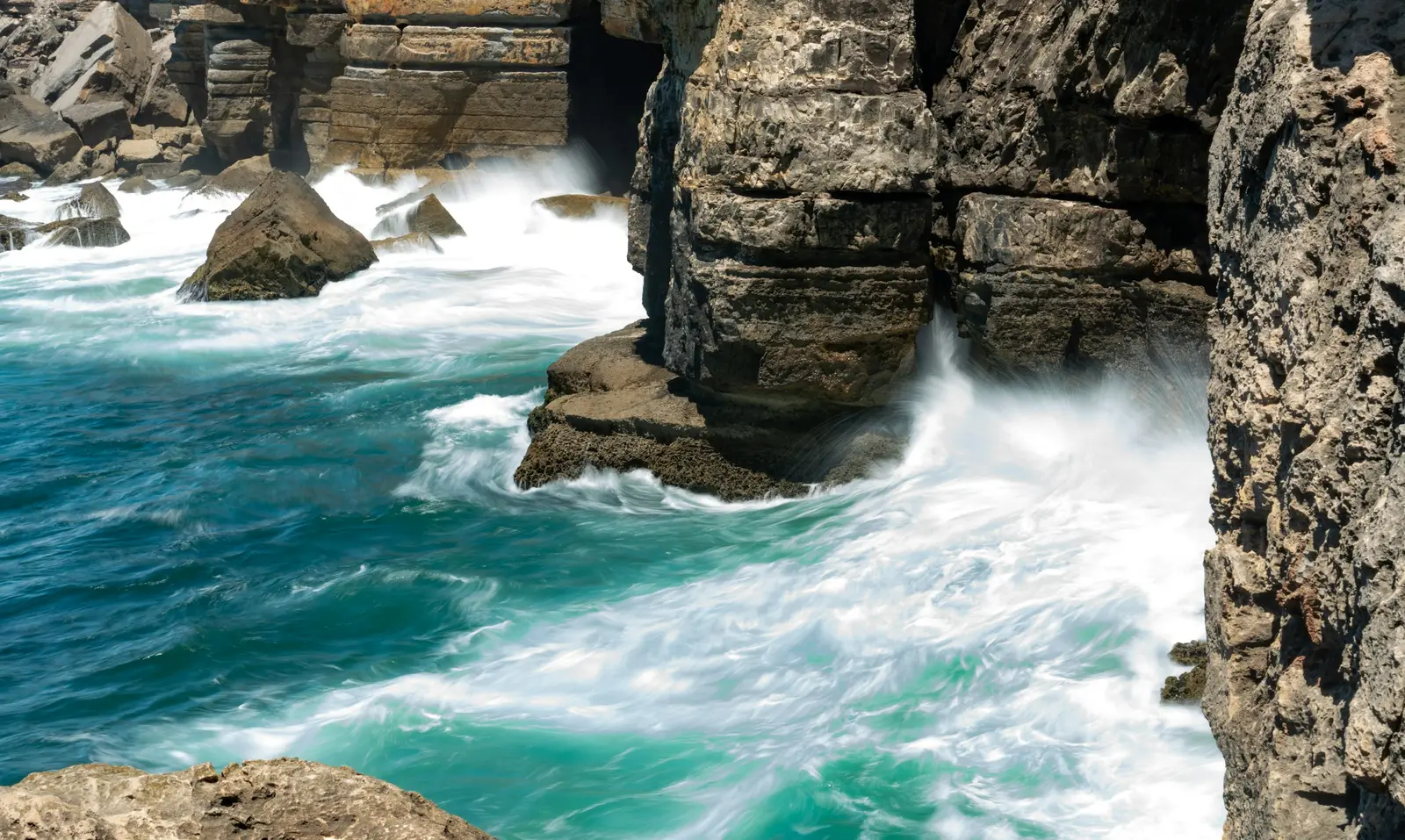
Cascais
The line from Cais do Sodré runs along the water the whole way, which is the practical reason Cascais works: there is no transfer, no parking and no argument about who drives. It arrives in a town that has a bay, a marina, a nineteenth-century seafront and, ten minutes west, an actual Atlantic coastline at Guincho, where the wind is a different proposition entirely. What it is really used for is expatriate and second-home work — family sessions, corporate portraits for people who commute into Lisbon two days a week, and the smaller end of the wedding market. The bay faces south, unusually for this coast, which means it holds light later into the morning than anywhere in Lisbon and is one of the few places here that is usable at midday.
Explore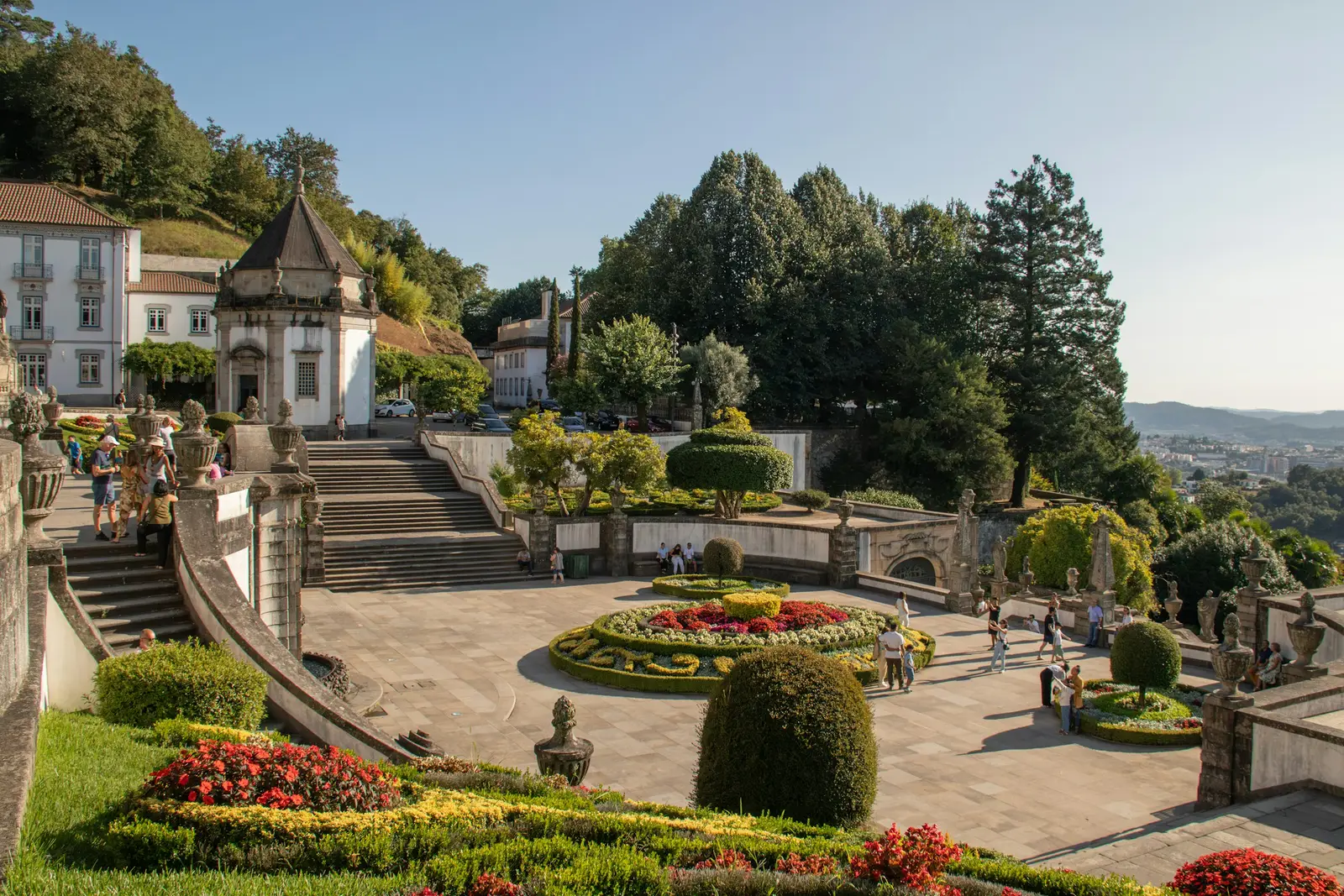
Braga
The Minho is the densest wedding market in the country and Braga is its centre — a city of churches with a quinta on every other road out of it, booked a year ahead for Saturdays between May and September. This is a domestic market with domestic expectations: a full day from getting ready to the first hour of the party, a church ceremony with its own rules about where a photographer may stand, and a copo-d’água that runs long. Bom Jesus do Monte, on the hill above the city, is the frame everyone knows: a baroque stairway climbing through switchbacks of stone and water, with a funicular running beside it since 1882. It is also a place of worship and a UNESCO World Heritage site, and it is busy every Sunday of the year.
Explore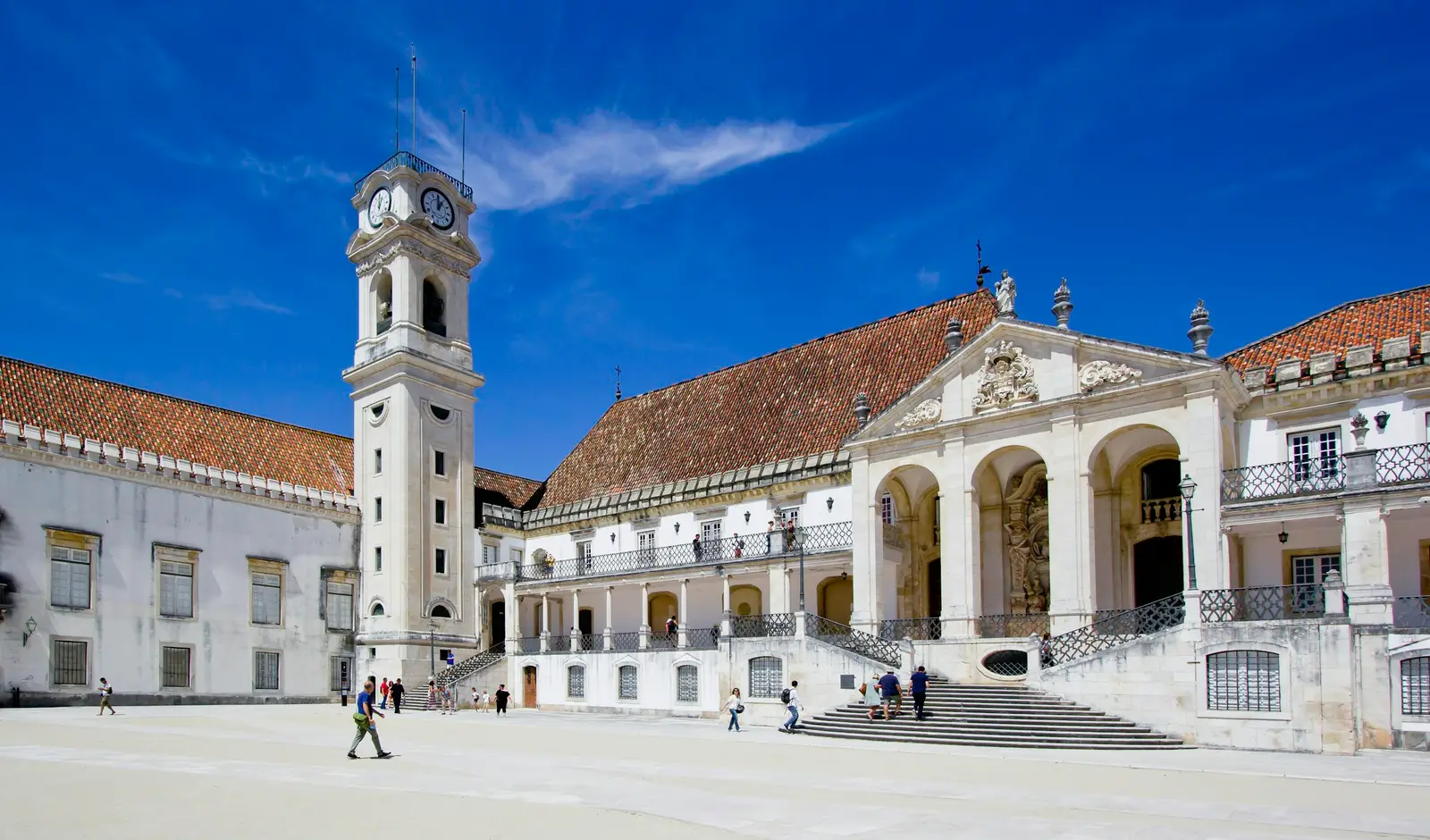
Coimbra
Coimbra has a photography market that exists nowhere else, and it has nothing to do with tourism. The university’s student traditions — the capa e batina, the faculty-coloured ribbons, the Queima das Fitas in May and the Latada at the start of the academic year — produce a whole season of sessions with their own dress code, their own locations and their own week in the calendar. Finalistas book in groups, they book late, and they all want the same two hours of light. The city itself is a hill with a university on top of it, which means the Paço das Escolas terrace looks out over everything and everything looks up at the tower. The Mondego at the bottom gives the one flat, open location, and the far bank gives the frame of the whole hill.
Explore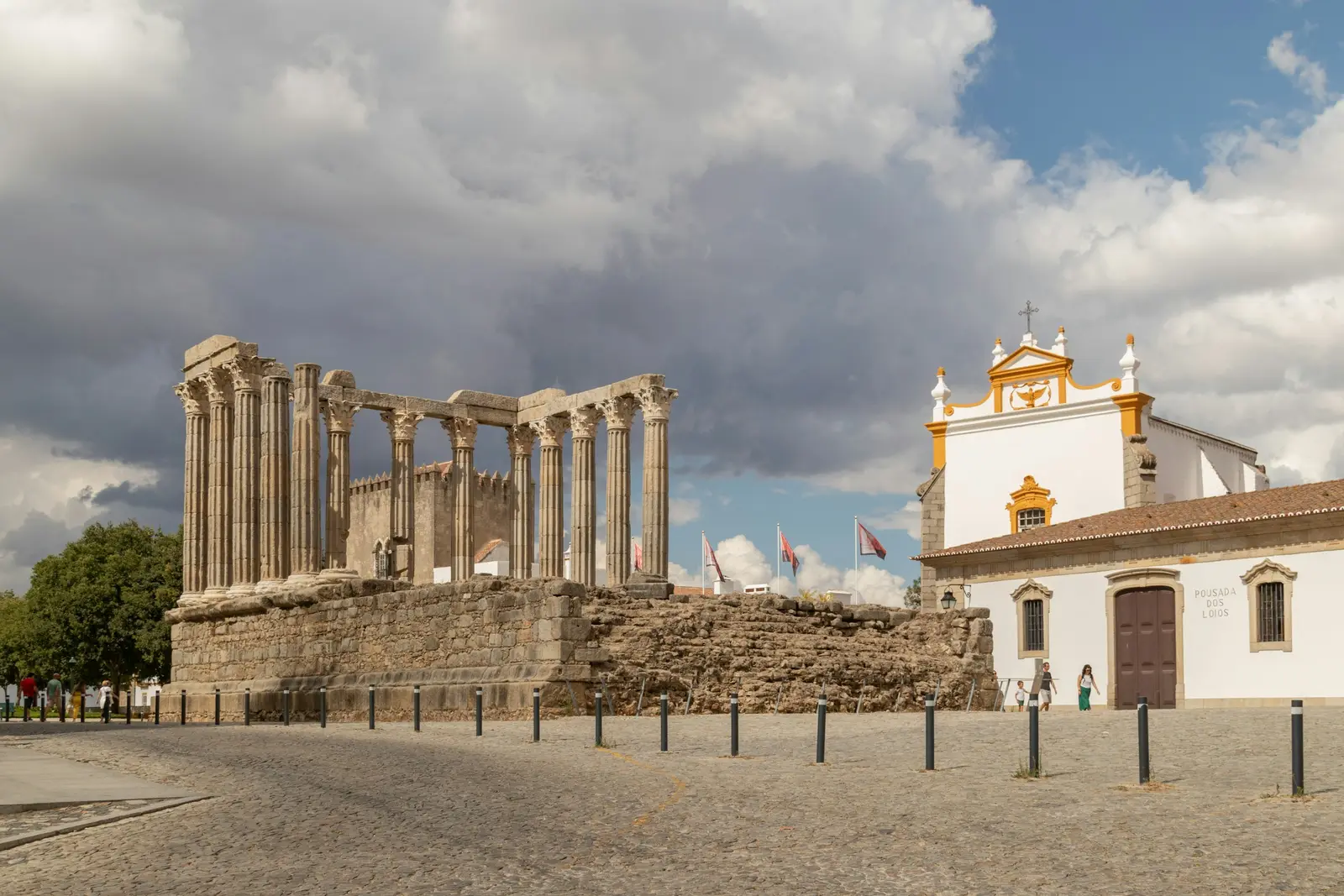
Évora
Évora is the argument for small. The whole historic centre is inside a wall, and from the Roman temple to the cathedral to the Praça do Giraldo to the aqueduct is a walk rather than a logistics exercise. A ninety-minute session here covers more distinct backdrops than three hours in Lisbon, because none of the time goes into moving between them. What it costs is shade. The Alentejo is the hottest part of the country and the streets are narrow and white, which means from June to September the middle of the day is not merely uncomfortable, it is unusable — the contrast between a lime wall in sun and the same wall in shadow is beyond what any sensor holds. The compensation is that the light at either end of the day is the cleanest in Portugal.
Explore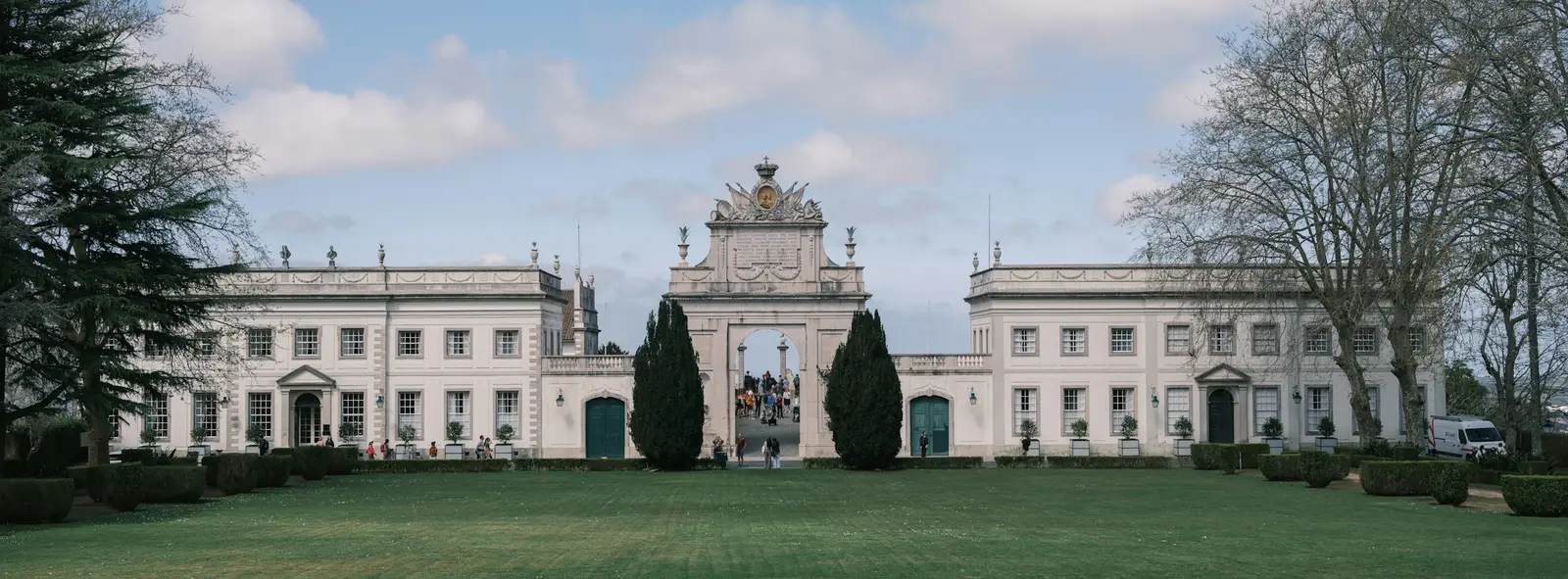
Sintra
Almost everything written about photographing Sintra gets the economics wrong. Pena, Monserrate and the Castelo dos Mouros are run by Parques de Sintra – Monte da Lua, which requires written authorisation and charges a fee for professional and commercial photography inside them; Quinta da Regaleira is a different operator with its own permission and its own fee, which catches out everyone who assumes one arrangement covers the town. Pena also runs timed entry, so the ticket dictates the schedule rather than the light does. The part nobody sells is that the Serra itself — the roads, the ferns, the mist between the trees, the high ground above Seteais — is open and costs nothing, and it is where the photographs that actually look like Sintra are made. The second practical fact is traffic: in season the historic centre is effectively closed to private cars, and the 434 and 435 buses plus the scarcity of parking, not the sunrise, decide what time a session can start.
Explore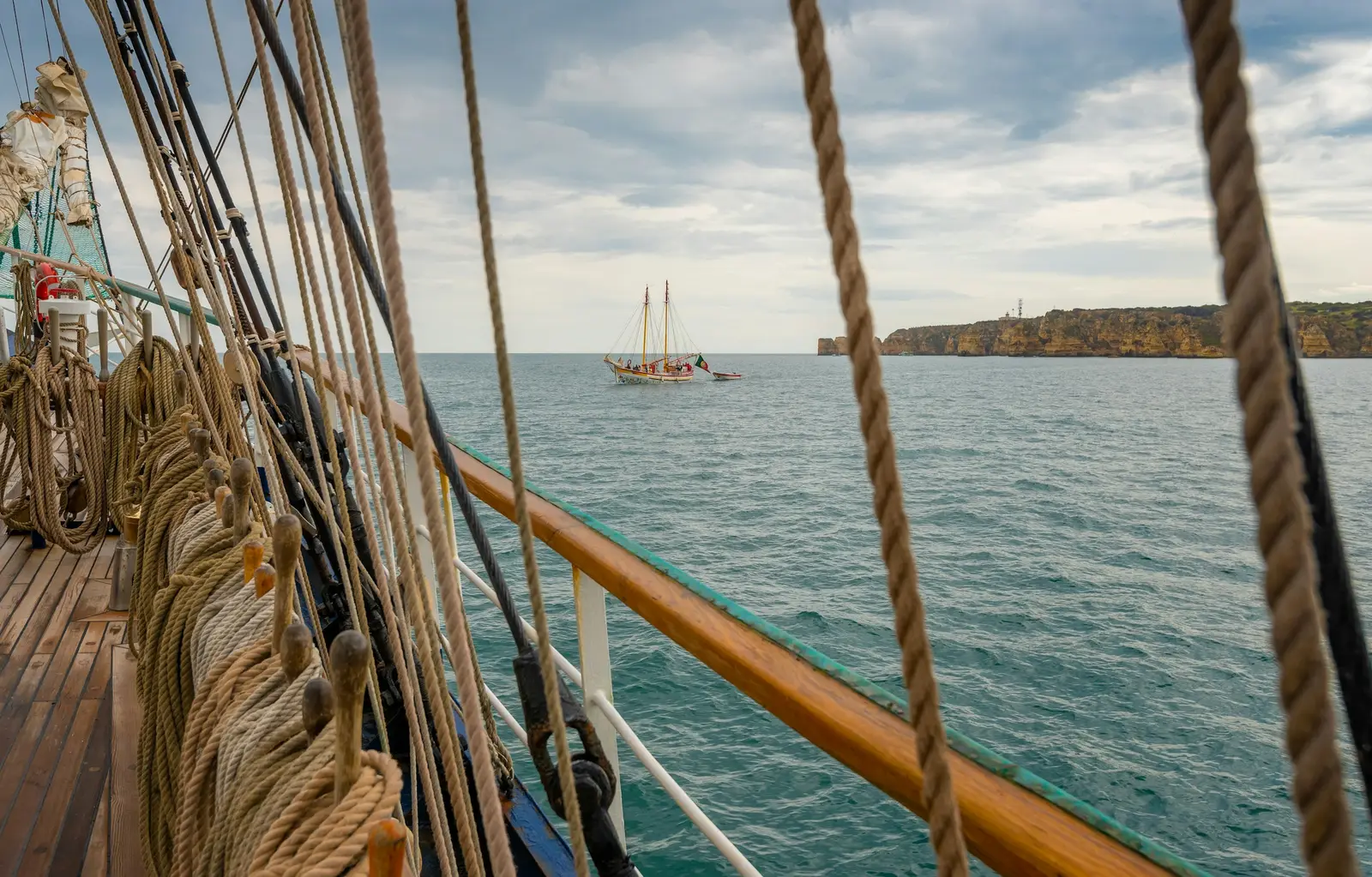
Algarve
The Algarve is one market, not six. Lagos and Albufeira are forty minutes apart, the coves between them are photographed by the same people on the same mornings, and splitting them into separate pages would produce two descriptions of the same coastline. What varies is not the town but the tide: half the best locations — the sea caves, the arches, the beaches you reach along the sand — are accessible for part of the day and not the rest, and a session booked without checking the tide table is a session that may find its location under water. The second constraint is the cliffs themselves. The falésias are actively eroding, the edges collapse, and the warning signs are there because people have gone over. Any photograph that looks like it was taken from the lip of a drop was taken from further back with a longer lens, and the ones that were not are not worth what they cost.
Explore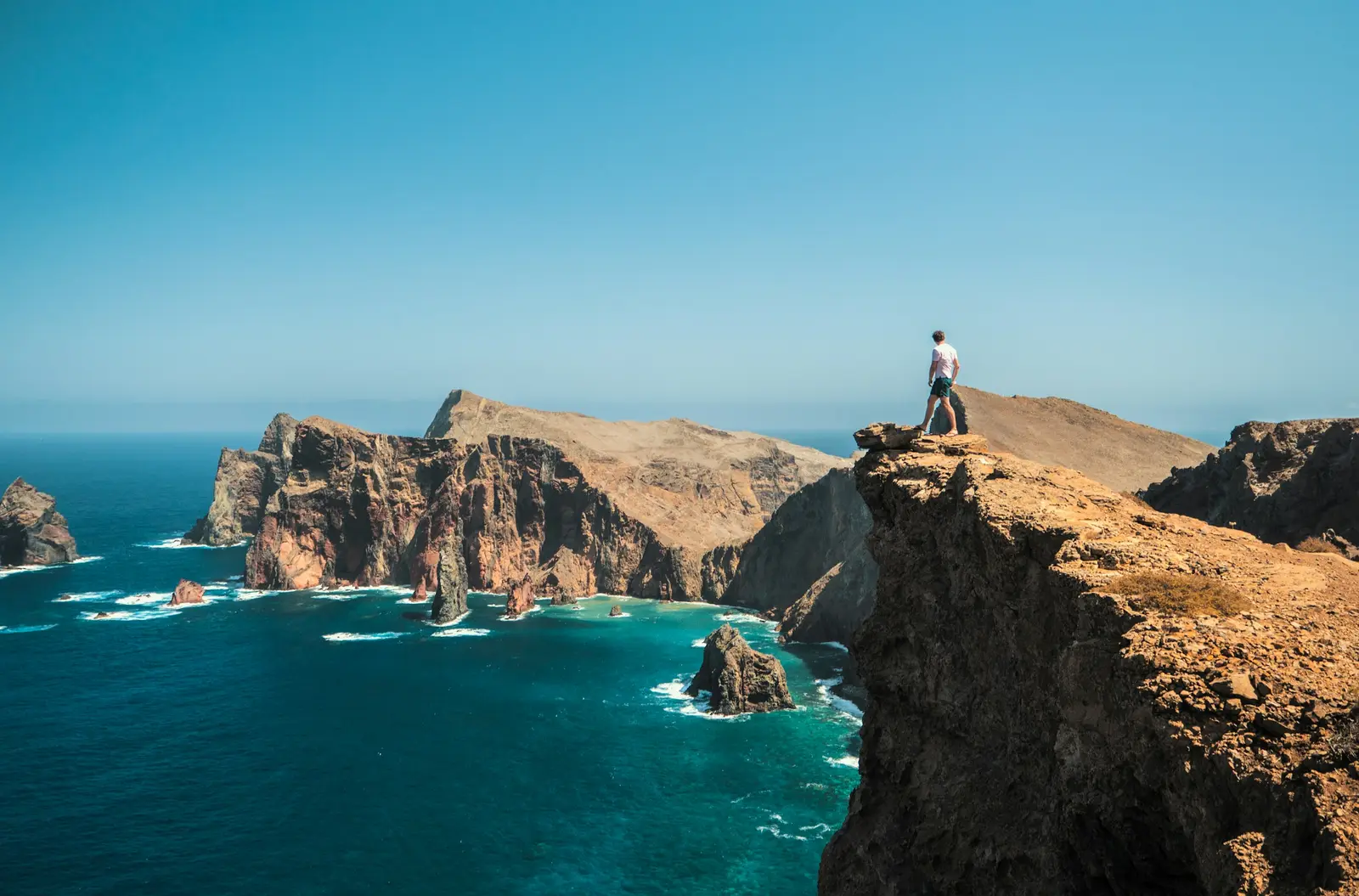
Madeira
Madeira is sold as Funchal and photographed everywhere else. The island is a volcano with a road around the outside and a ridge down the middle, and the thing that makes it worth the flight is that the ridge is usually above the cloud: at Pico do Arieiro, at sunrise, you are standing in clear sun looking across a floor of cloud with two other peaks coming through it. That is a specific place at a specific hour, and the small car park at the top is full well before the sun is up. The rest of the island divides into weather. Fanal, the laurel forest on the north-west plateau, only works in fog — on a clear day it is a field with trees in it — which makes it the one location that is genuinely rescheduled rather than merely hoped for. Several of the levada walks now charge for entry through the forestry authority, and which ones changes, so it is checked rather than assumed. And the honest note for anyone booking a beach session: Madeira has almost no sand. Porto Santo, forty minutes away by air, has nine kilometres of it.
Explore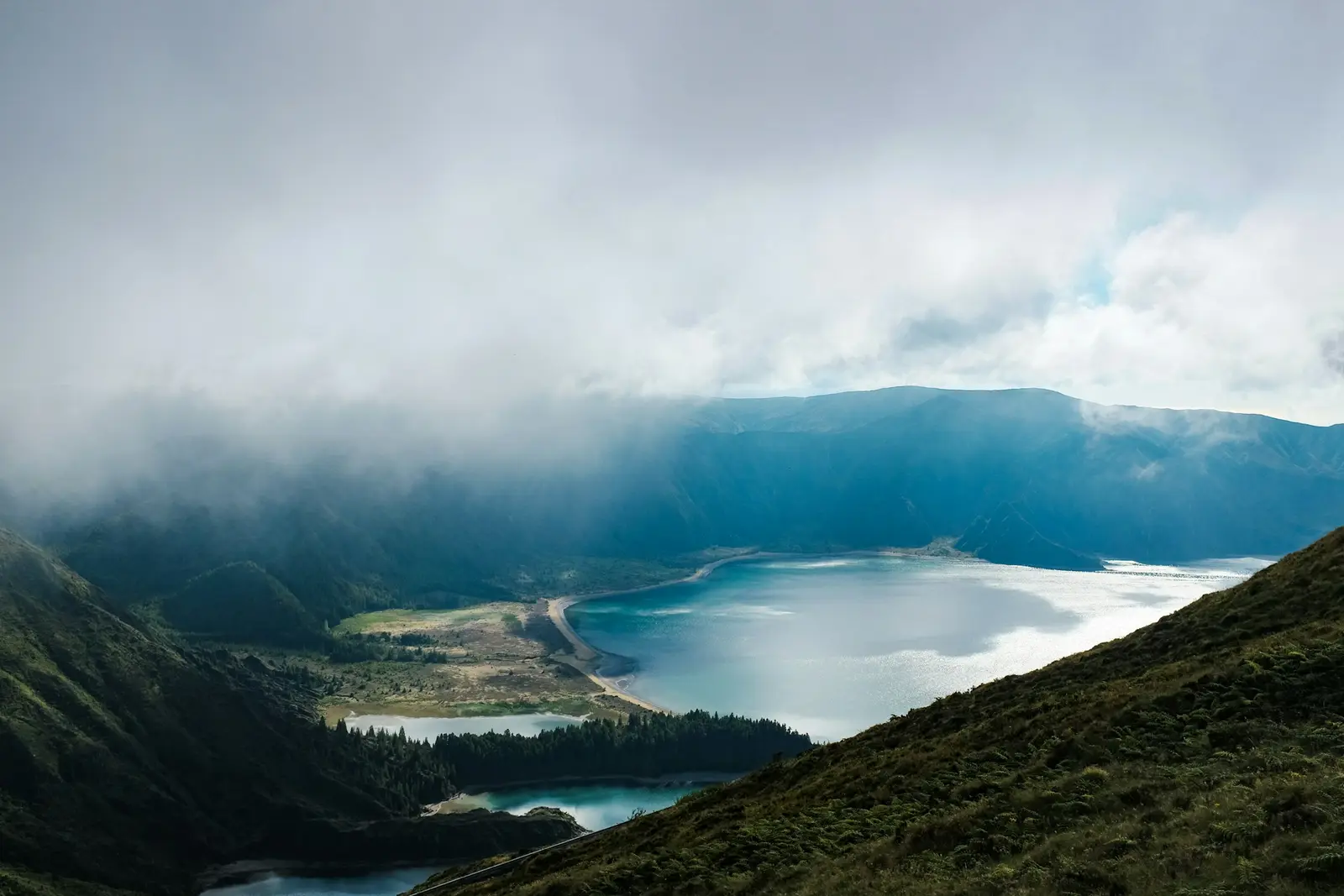
Açores
São Miguel gets four seasons in an afternoon, and every piece of advice about photographing here follows from accepting that rather than arguing with it. A session fixed to a date and a location will, often enough, find that location inside a cloud. A session that books a three-day window and decides the morning before it happens gets what it came for. The practical version of that is planning locations as alternatives rather than as a list. Sete Cidades and Lagoa do Fogo are on opposite sides of the island and it is common for one to be clear while the other is not, so they are a pair rather than two separate outings. Furnas, in the middle, works in almost any weather because steam and wet green do not need sun. The pages that promise a specific caldera at a specific hour are writing about somewhere else.
Explore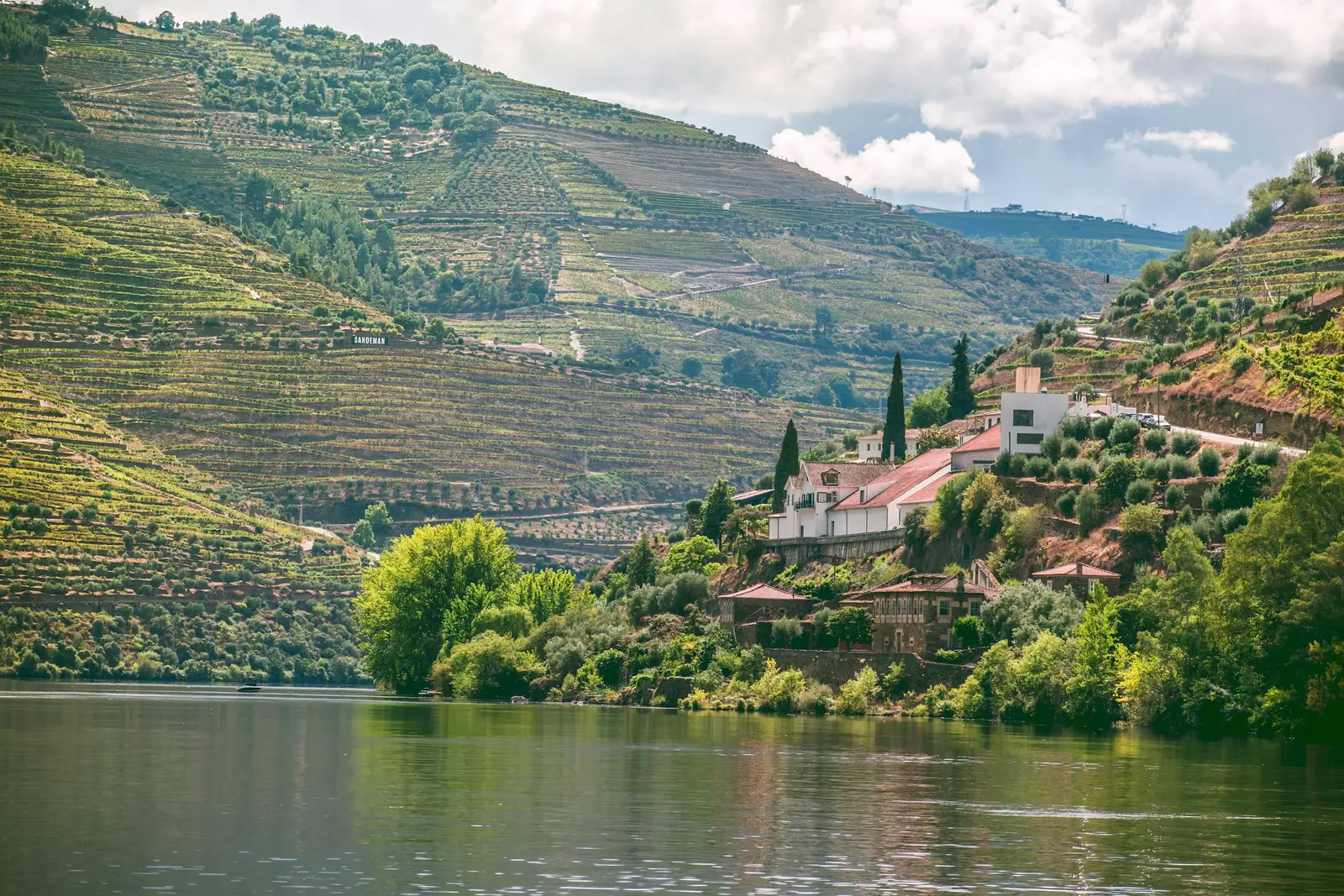
Douro
Everywhere else, the planning question is what time. In the Douro it is what week. The vindima — the harvest — runs from roughly early September to mid-October, later in the Douro Superior than in the Baixo Corgo, and it is the only time the terraces have people working on them and the quintas smell of fruit rather than of stone. Outside it the valley is beautiful and empty; during it, it is a working agricultural region and every estate is busy, which means access is arranged rather than assumed and September weekends are booked a year out. The landscape itself is terraces cut into schist, which is a UNESCO World Heritage cultural landscape and has been since 2001 — worth knowing not for the badge but because it is the correct description: this is a place people made, not a place that happened. The frames are the long views from above at São Leonardo de Galafura, and the river itself at Pinhão.
Explore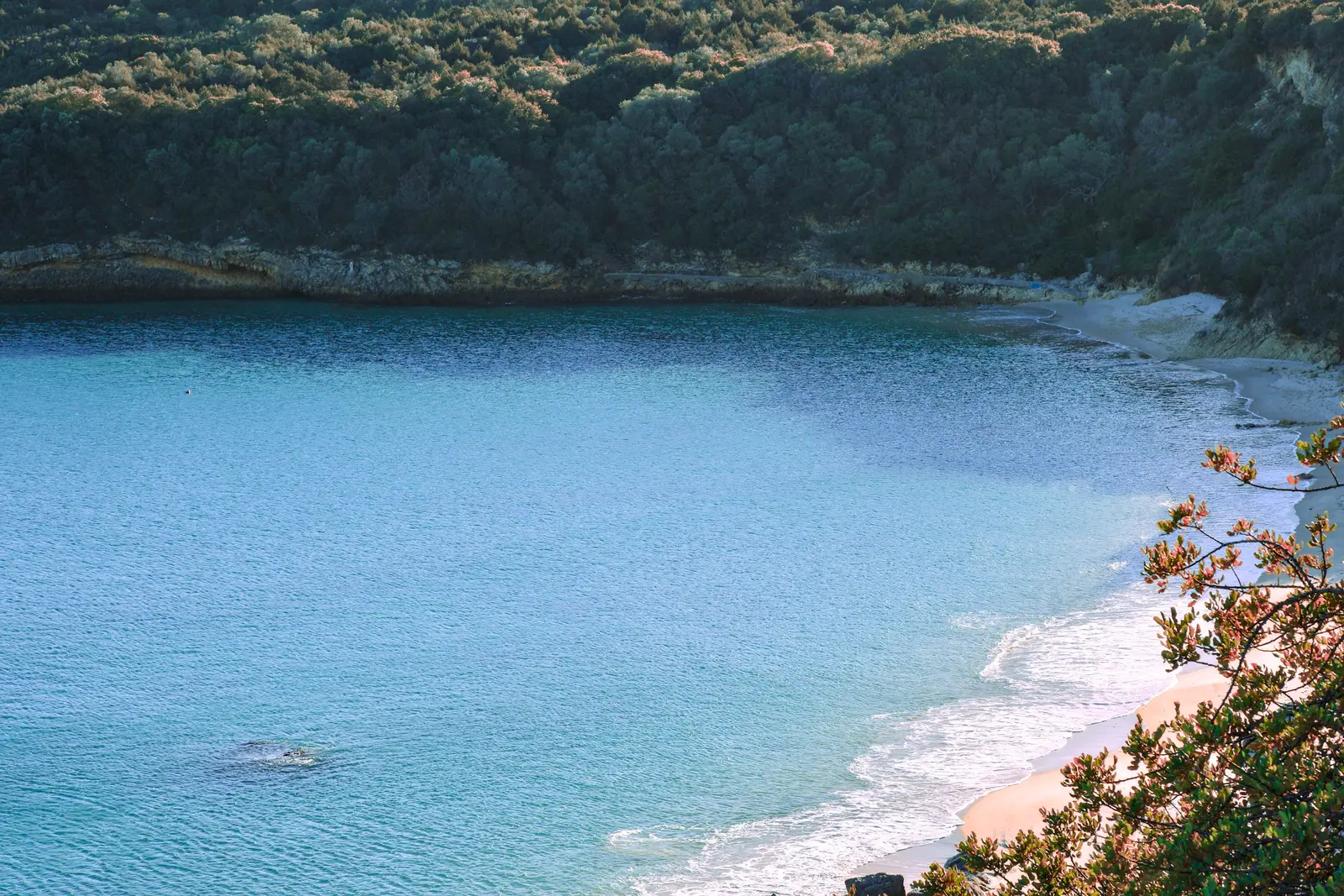
Comporta
Comporta is sixty kilometres of sand with almost nothing built on it, and behind the dune a flat landscape of rice fields, pine and cork. It is the smallest market on this site and the highest-value one: a luxury second-home and destination-wedding corner with very little English-language competition, which is unusual for anywhere this photogenic. What it offers photographically is space and simplicity. The beach runs unbroken far enough that a session never has anyone else in frame, the paddies flood and mirror the sky in spring, and the local architecture is single-storey, white and thatched, which is a background rather than a distraction. What it does not offer is anything to do when the weather turns — there is no old town to move into — so a winter booking here is made with that understood.
Explore


About these places
Twelve places, and three of them are not cities
- Cities & destinations
- 12
- Cities
- 6
- Travel destinations
- 6
- Travel surcharge
- None
Six cities people live and work in — Lisboa, Porto, Cascais, Braga, Coimbra and Évora — and six places people travel to: Sintra, the Algarve, Madeira, the Açores, the Douro and Comporta. Three of the second group are not cities at all, and saying so matters: the Algarve is a coastline, Madeira and the Açores are islands, and treating any of them as a town produces the wrong page.
The Algarve is one page rather than six because Lagos and Albufeira are forty minutes apart and sell the same work to the same people on the same mornings. Splitting them would produce two descriptions of one coast, competing with each other for the same search. The same logic makes Madeira the page rather than Funchal: you sleep in Funchal and the photograph is at eighteen hundred metres.
What each page carries is the thing a visiting photographer would not know. Which direction a viewpoint faces and therefore what hour it works. Whether a location needs written permission and from whom — Sintra has two separate regimes, because Quinta da Regaleira is not run by Parques de Sintra. Whether the tide decides if a beach exists. Which week the Douro harvest falls in, which nobody can tell you in March.
Every place is covered by a photographer who lives there, and each page lists the surrounding towns covered from it at no travel charge rather than giving them thin pages of their own.